
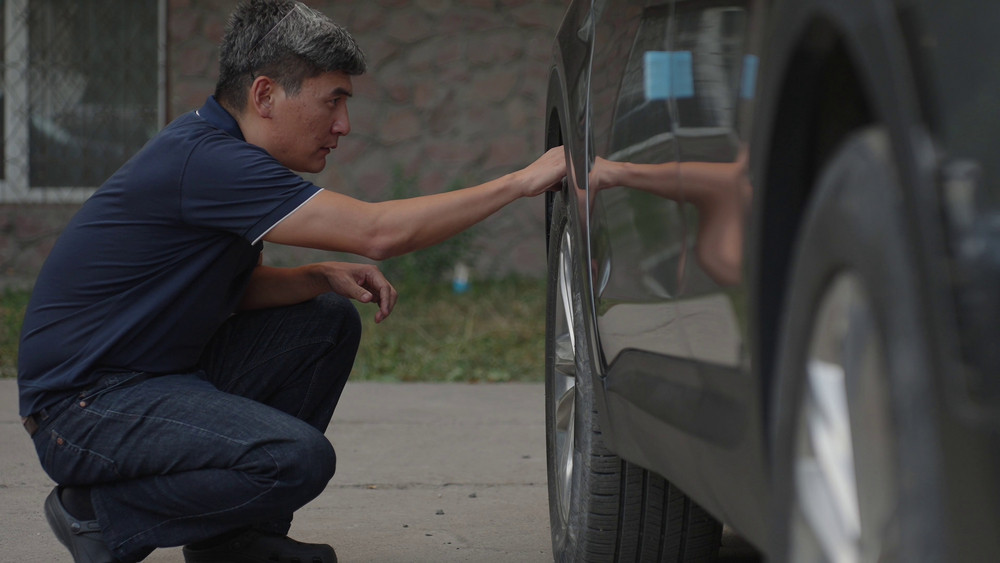
Tire rotation is an easy maintenance task that drivers can overlook. While checking tire pressure and replacing worn tires are important, moving tires to different positions can also help maintain balanced wear. Regular rotation supports handling, extends tire life, and may help drivers avoid unnecessary tire repairs.
Improving Wear With Regular Rotation
Tires do not wear evenly because each position handles different demands. Front tires often experience more wear because they manage steering and, on many vehicles, carry additional engine and drivetrain weight. According to standard maintenance guidance, car tires should be rotated every 5,000 to 7,000 miles, although the recommended schedule can vary by vehicle and driving habits.
Rotating the tires distributes wear more evenly across the set. This can help drivers get more use from their tires instead of replacing certain tires earlier than others. It is also a simple service that can often be completed during routine maintenance visits.
Enhancing Handling and Traction With Rotation
Uneven tread wear can change how a vehicle feels while driving. When tires have significantly different wear levels, drivers may notice changes in steering, braking, traction, or overall ride quality. Regular rotation helps maintain more consistent tread conditions, which can support predictable handling on everyday roads.
Drivers should also pay attention to vibrations, pulling, or unusual tire noise. These symptoms can indicate uneven wear or another issue that needs inspection. Addressing concerns early may help prevent more expensive tire repairs later.
Reducing Costs and Replacing Tires
Rotating tires can also help drivers manage long-term maintenance costs. Even wear may allow tires to reach more of their expected service life, reducing the chance of premature replacement. Since purchasing a complete set of tires can be expensive, getting the most use from them can make a meaningful difference.
Rotation is not a replacement for regular tire inspections. Drivers should still check pressure, tread depth, visible damage, and other signs of wear. Taking care of these basics can help prevent avoidable tire repairs and keep small problems from becoming larger ones.
Keeping tires maintained does not have to be complicated. Consistent rotation, proper inflation, and regular inspections can support smoother driving and more balanced tire wear. Staying on top of these simple tasks can help drivers protect their tires and avoid preventable maintenance costs. For dependable tire maintenance and tire repairs, contact Myers Automotive.